Total Pageviews

Sunday, 13 January 2013

Hippies


In some ways it is hard to define who hippies actually were. It is easy to say that they were anti-establishment and could be identified by the way they dressed. Just like there are “drugstore cowboys” who have never been on a horse, back in the day there were many young people who believed in the hippy kind of culture but never made the full leap. Some just lived the lifestyle while in college while others lived at home in their parent’s house or held down 9 to 5 jobs but smoked a bit of reefer and listened to the music of the times in non-working hours.

When I left (quit) high school in Montreal in late 1964 I didn’t know anyone who smoked pot. The Beatles had been around for about a year and their songs like Can’t Buy Me Love and I Should Have Known Better were hardly what you would call deep. There were a few guys around town who tried to look like the Beatles and let their hair grow a bit so they had a mop top. There was one guy I would often see in downtown Montreal who looked a lot like Ringo Starr.
The Beatles on The Ed Sullivan Show 1964
The following are my own opinions as to how the hippy era came about. I am sure there will be those that disagree with me.
In late 1963 John Kennedy was assassinated and for many it was like a hard punch in the stomach. Many thought at the time that he represented a younger approach to things, the Peace Corp and the fact that he was in his forties and had a pretty wife. Previously to Kennedy, American presidents had been older men often with frumpy wives.
It was just a few months later that the Beatles first came to North America and they were a welcomed distraction, something fresh. It was kind of like there was still something out there to get excited about.
For the first half of the 1960s a lot of things were similar to the 1950s. There were drive-in movies, a cleaned up Elvis, hanging out at the local diner, Friday night dances at the high school, The Beach Boys and surfing music, spending a day at the beach, white jeans and madras shirts. We were dancing to songs like Woolly Bully and You Can’t Sit Down.
Most of us grew up in rather conservative homes back then. Rocking the boat in almost any fashion was considered a threat to the status quo.
But there were other things going on too. Most people were aware of who the Beatniks were. Bongo drums and goatees many of us thought. The pill had been introduced. Folk music and the messages about the downtrodden and injustices were popular around 1963. We saw the pictures on TV of black people being fire hosed in the deep US south. The Viet Nam war was beginning to rage.
The post war baby boomers were starting to go off to college, many with financial help from their parents who hadn’t done too badly in the previous decade. Kids rebelling against their parents weren’t anything new but this time a lot of other things seemed to come together at one time. This wasn’t the crowd of ex- soldiers coming back from WW2 and trying to get ahead in life by getting a post-secondary education. These were often kids who had pampered childhoods.
Many college students started to think for themselves for the first time. They were reading books written by Herman Hesse, John Steinbeck, Gunter Grass, Kurt Vonnegut, J.R.R. Tolkien, John Barth, William Golding, Ayn Rand, and others.
There were 2 books in particular that had a lot of influence, particularly on young men. One was J.D. Salinger’s frank and graphic description of a character named Holden Caulfield’s coming of age. It pretty well kicked conservative thinking right in the teeth. Some had already read it in high school. The other book was Jack Kerouac’s On The Road. Kerouac became a hero to many. The book also opened some people’s eyes as to a search for spiritual enlightenment. Kerouac was a pretty handsome looking dude but was a mess as a human being. Alcohol and heavy duty drugs destroyed his life. Dying young seems to be an attractive thing to some for some reason. A few years later, dying young would happen to a number of rock stars.


Jack Kerouac
A lot of people like road trip stories or movies, the adventure of being in places unfamiliar. Being mixed up with junkies, whores, and criminals may be interesting from a distance but is truly sad to see up close. I did my share of hitch hiking in the 1960s. I saw the poverty of Indian reservations, a wino with dried puke on his clothes waiting along with me for a day labourer’s job, I sang for my supper once at a city mission along with a number of other men who were down and out, I once got a restaurant voucher from the Sally Ann. It isn’t a pretty life.
The first time I noticed hippies was in the student ghetto area of Montreal near McGill University. I remember seeing a gal running barefoot to a small grocery store braless. It left a defined image in my mind. You would also see some of them in coffee houses like the New Penelope and the Yellow Door.
I knew a few American guys who were at McGill whose fathers were with the CIA. I also knew a few guys who got up on ladders on St. Catherine Street and gave political harangues. I ran down alleys with the rest of the crowd pursued by the police with batons when they tried to put an end to a Seperatiste march on Sherbrooke Street.
I remember seeing my first psychedelic light show at the McGill Student Union building in around 1966. I spent about 4 years living in the McGill student ghetto area. I never really thought that the people I knew or saw in the area were hippies because long hair and army surplus jackets had become the norm.
Very few of those that I had gone to high school with had embraced the alternate lifestyle. Most were either going to university or had found a 9 to 5 job with hopes of moving up the ladder in the business world. Hippies were always a small part of the general population.
I remember seeing a guy who looked like Jimmy Hendrix complete with a vest with fringes and a wide belt with silver looking things on it in a bar in Lake George, New York on Labour Day Weekend in 1966.
Jimi Hendrix
1967 was pretty well all about Expo 67 in Montreal. I didn’t have much of a clue about the “Summer Of Love” other than hearing Scott Mackenzie’s “If you’re going to San Francisco, be sure to wear some flowers in your hair.”
In 1968 I was out on the west coast in BC for a short bit of time. I was pretty well broke so I never could really afford to go to the nightclubs like the Retinal Circus that were showcasing psychedelic music. I did notice the posters on telephone poles with wavy fat letters. Head shops were starting to open up on 4th Avenue.
I did a lot of hitchhiking in the late 60s and early 70s and would often run into hippies out on the road, More than once did I hear “Got an extra smoke man?” There were a number of times where I would leave some town and find as many as 20 or 30 hippies with their thumbs out hoping for a lift. Sometimes they had a dog with them. I was relatively clean cut and each time I would see these groups I would walk past them before sticking my thumb out. In most cases I would get a lift long before they did. I think it was because we were kind of living in an “us and them” time. After passing the hippies on the road “straight” folks including families would often pick me up as though they were rescuing me. Whatever, it worked for me.

Hippie VW van.
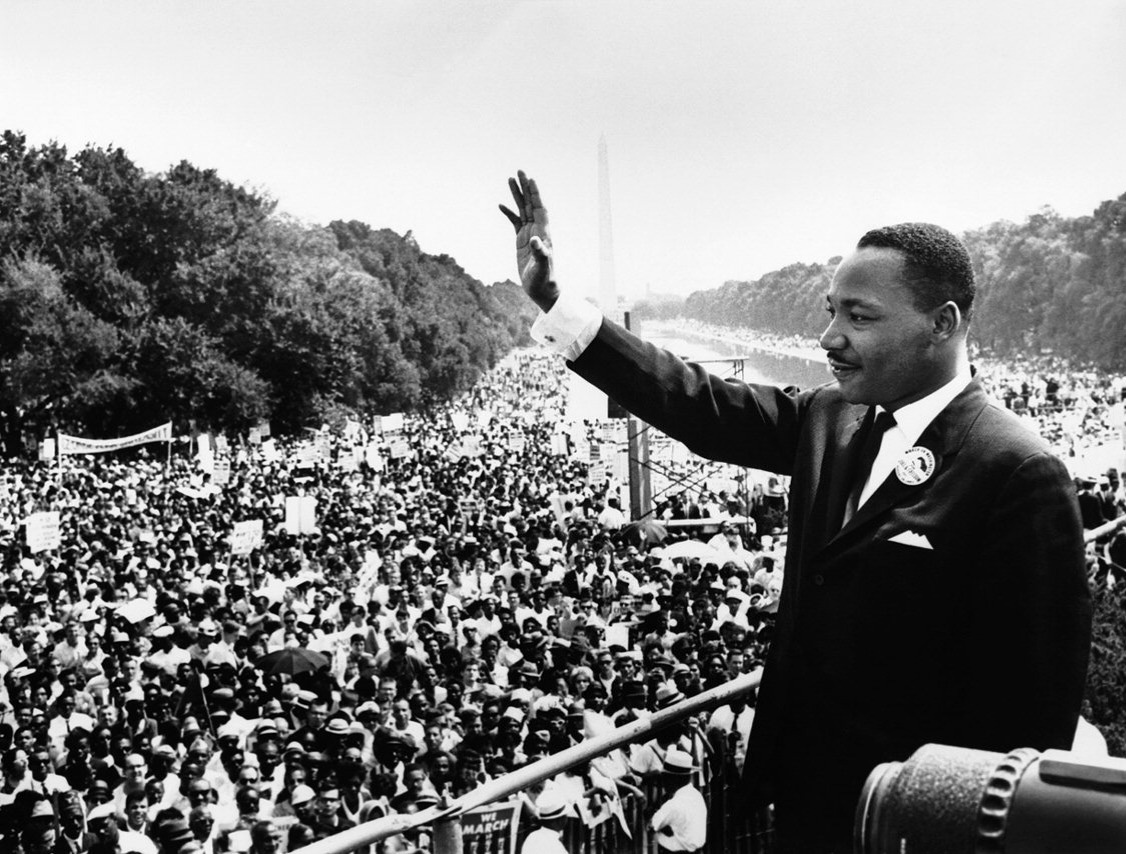
The shit really hit the fan in 68. First Martin Luther King was killed and then Bobby Kennedy. The draft was in effect in the US and American boys were being shipped home in body bags from Viet Nam at an alarming rate. There were anti-war protests everywhere. Racial tension was high and parts of cities in the US were burned to the ground. In the fall the Yippie movement surfaced in Chicago in riots and demonstrations around the Democratic convention in Chicago. 1968 was like the peak of craziness and madness.
Martin Luther King
Whether we were hippies or not we were listening to Simon and Garfunkle, Bob Dylan, Joan Baez, and a lot of British groups. We eagerly awaited each new Beatles album. We were getting messages from the music. The musical Hair opened on Broadway. Songs on the radio were no longer 2 minutes and 10 seconds.


Joan Baez and Bob Dylan
I totally missed out on Woodstock in the summer of 69. It wasn’t until the album came out that I became aware of what had occurred. It was probably the pinnacle of the hippie era. Over a half a million people, many wacked out on something, all getting along for the most part and a feeling that they were all on the same page.
It wasn’t until 1970 that I smoked my first joint. I had always been suspect about things I wasn’t that familiar with. I was living in a frat house at the top of University Street in Montreal at the time. The frat life wasn’t that popular back then and most of the boarders were students who weren’t brothers. A German guy named Klaus who lived down the hall lit me up for the first time.

Klaus was an interesting guy. I have no idea what courses he was taking. He converted his room into kind of a hippy pad. He bought a roll of burlap and covered the walls with it. Almost all of the furnishings in his room were close to the floor including his bed that was just a mattress. He had a rich girlfriend who had an old sawmill on her family’s property and Klaus made little tables out of split logs he got from there. Fat round rice lamps hung from the ceiling. He had psychedelic posters on the wall. In some ways his room seemed like a kind of shrine.
In the summer of 1970 the students all left the frat house and I was kind of left in charge of the place. I had lost my job because of cut backs and decided to rent out the rooms for my own personal profit. Some of the renters were hippy types including some guys from Sweden. A guy I had met in Nebraska the previous year turned up in his VW van. One day he brought home two hippie gals. One for each of us I guess. I remember renting a room to a big black guy from New York. He had two fat white girlfriends with him. Sexual values had kind of changed for some over the years you might say.
On day a hippie looking guy turned up at the front door of the frat house along with his girlfriend. He wanted to rent a room. I thought he looked familiar and it turned out he was at Westmount High the same time I was. I remembered him as a 14 year old with a blackwatch sports jacket. Now he looked a lot like Charlie Manson. He got behind on his rent and I decided to check out his room to see if he was still around. He had pushed two dressers together and placed a mattress on top of them. Weird.
Like the 16 vestal virgins I headed out to the coast again, British Columbia and Vancouver. One day I took part in a student demonstration out at UBC. It was more like something to do than being for a cause.
I also spent some time in Edmonton. One night an old friend from Montreal invited me to go with him to see Abbie Hoffman at the Edmonton Field House. I will always remember one really gutsy guy yelling at Abbie and asking “How much are they paying you Abbie?” That took a lot of balls considering the crowd.
Abbie Hoffman
In 1970 the Kent State shootings occurred, Nixon was president, the Viet Nam war was still raging and the first Earth Day happened.
Kent State 1970.
In late autumn of 1970 I found myself in downtown Toronto on a cold night. I was just passing through town and decided to phone an old friend from high school from Montreal. He came down and picked me up in his car and for most of the next year and a half I was a roommate along with another guy from high school. My friend had a pretty decent job as a sales rep but away from work was into getting stoned on weed or hash and chasing women. He had let his hair grow and had a droopy mustache. (I have to write a story about those days in TO.)
From time to time we would go down to a place in Toronto called Rochdale that was basically a large apartment building that had been taken over by hippie types. We used to joke about how the building dwellers scattering when we turned up in shirts and ties after work to buy some grass or hash. That never really happened but we were looked upon as being a bit suspect. We did learn about the accuracy of scales there.

The former Rochdale Builiding in Toronto
We were stoned quite a lot during that time. I remember my roommate driving down the Don Valley Parkway and not understanding how he could manage to steer the car so well. It seemed like we were almost inches away from the lighted guard rails. Paisley shirts had become quite popular. We were listening to stuff by Iron Butterfly, Janis Joplin, Moody Blues and a new album by Neil Young called Harvest. I thought my heart was going to burst a few times hearing In La Gadda Da Vida.
I went out to Banff in the summer of 71 and my roommate’s parting gift was a bit of hash rapped in some tin foil. Sometime later my roommates moved on to a penthouse in Don Mills and I found myself living in downtown Toronto. One night I was invited over to the penthouse and we did some hash. A plastic candle holder that had been swiped from a nightclub caught fire and the whole place was covered in burnt fibreglass residue. We were all asleep when the fire started. Luckily it was discovered  and there was hardly any damage other than to the coffee table.
Several months later I headed out to western Canada for good. Smoking weed kind of became a thing of the past for the next several years. I did another tour in Banff. Local businesses weren’t thrilled about hippies and it was made clear to them by the cops that they should move along to some other town as quickly as possible.
I spent some time in the early 70s in places like Vancouver, Victoria, Kamloops and Port Alberni.
In Vancouver I would often see the Hari Krishna folks outside the Bay store on West Georgia Street doing their “Rum-dum-dum-dum” thing. When I learned more about them I started to despise them. Mind control is one of the more disgusting things that people can do to one another as far as I’m concerned.
In the early 70s Vancouver had a very conservative mayor, a guy named Tom Campbell. He tried to shut down the underground newspaper The Georgia Straight and had cops on horseback break up protests. He also wasn’t thrilled about the hippie panhandlers in Gastown. “Got any spare change? I’m saving up to buy a Cadillac,”
For a few years there were “be-ins” at Stanley Park. Huge crowds would turn out. One year the newly formed Bachman-Turner Overdrive was the entertainment. We saw a few hippie streakers that day running through the throngs.
Easter Be-In Poster Stanley Park, Vancouver 1970s.
There was a “folky” place where hippies and others would sometimes go to on weekend nights that was located in a small town on the road to Whistler called Brackendale. There was also a church on the eastside of Vancouver that put on events that catered to counter culture kind of things.
Some hippie types headed out to Long Beach on the west coast of Vancouver Island where they spent the summer months as nudists. When I was living in Port Alberni some friends invited me to go swimming at a place called Jingle Pot mines on the outskirts of Nanaimo. Probably the only time I’ve been nude in public. Some guy on a ledge was playing a flute and even though I wasn’t stoned at the time I had images in my mind of Greek mythology.
I spent about a month in northern B.C. planting trees with a bunch of hippies from Victoria. They were pretty nice guys and few of them could be very funny. They were hard workers and would put in overtime as this type of work was a large part of their annual income.
There are a number of reasons why I never aspired to be a hippie even though I agreed with a lot of things they seemed to be about like being concerned about the environment and being anti-war. I didn’t like the assumption that one should identify with another person by the way they dressed. I didn’t care for the idea that someone had an immense amount of knowledge because they had a bushy beard and wore granny glasses. I also knew that a lot about what they talked about was second hand bullshit often meant to confuse you.
I had also come to the realization not long after I left high school that I felt a lot freer controlling my own direction rather than being a part of a crowd.
I have often thought that some of the reasons people banded together as hippies was partly because of previous unhappy events in the households they grew up in that many were the introverted types who had felt that they were on the outside from the time they were kids. Poverty also could make people band together. It wasn’t always about disillusioned middle class youth.
By the early 70s a lot of hippies were now in their mid- twenties and some had figured out that they needed to survive in another fashion other than living on a commune. Some found jobs like delivering the mail where it didn’t make much difference what you looked like. Some went back to school and got into teaching. Many got government jobs and joined a union. Still others had another look at capitalism and started small businesses like making clothes, candles, soap, and got into the burgeoning industry of health food.
We were all getting older.
Most hippies kind of packed it in eventually and joined the mainstream. Some kept their core values while others did a totally right turn and became conservative. There were still some holdouts but as the decade of the 70s continued they became less and less.
Around 1976 the Disco craze was going on. One night I decided to look for a place that had some other kind of music and discovered a place on 4th Avenue in Vancouver called Rohan’s. It was an interesting evening. I got into a conversation with a drunk guy at the bar who told me he was a pusher. To prove to me that he was who said he was he showed me a wad of bills that he claimed was 10 grand. That was strange enough but when the music started I saw a couple of hippie gals out on the dance floor. They kind of danced like whirling dervishes with their heads twisting and their waist length hair flying about. I thought to myself that I had discovered the last holdouts from a long lost tribe.
By the 1980s it was very rare to see anyone who looked like a hippie, at least in in the circles of people that I knew. As many other boomers I had gotten married and lived in the burbs. Every now and then we would go to a house party and the people I always enjoyed the most were the ones out on the back porch sharing a joint.
Over the years people became divided by politics. Most who had years before been inclined towards some of the hippie values are on the left. Some men, as they grew older and often balder, grew pony tails. In some ways they could almost be stereotyped. In their homes or apartments you could very well find floor to ceiling bookshelves, with titles that included topics like gardening, health, and spiritualism. They might have a large collection of old vinyl jazz records. On the reclaimed hardwood floor you might see a faux or real Indian rug.
Some had decided to get involved with charitable work or protecting the environment. Others gave up on any fighting about anything to do with politics. I have always had a lot of respect for those that volunteer their services to help out the less fortunate.
In the past few years I have written a lot of stuff in the comments section of the left leaning American Huffington Post. Times have changed. The fire in the belly has gone for a lot on the left. There are just as many or more things wrong about society in the US today but there seems to be a sense of futility sometimes in how the left has reacted to these things. Jon Stewart and Stephen Colbert organized a march on Washington a year or two ago with no signs allowed. No signs? WTF?  I have suggested a national sales tax a number of times of 1-2% to offset the increased costs of Medicare. Some argued that this would hurt the poor instead of seeing the possibilities.
Another thing that has changed is today’s youth. Many now spend a good part of their days staring at one screen or another. The Occupy Wall Street thing seemed to just fizzle. I guess on the upside there is the fact that gays now have more rights and Obama was re-elected. On the other hand a number of things like Roe v Wade and entitlement programs like SS and Medicare are under attack.
We could do with a lot more people like Chris Hayes, Rachel Maddow, and Matt Taibbi.
You kind of get an idea of how much time has passed since Woodstock when you hear a commercial on TV with Canned Heat in the background singing….”Going up the country….”
 And out!


Sunday, 30 December 2012

Confessions Of A 1950's Child TV Addict

1950s TV test pattern.
There have been times in my 65 years on this planet that I didn’t have access to a television and somehow I managed to survive. I never suffered from withdrawal. I never let my fondness for TV stand in the way of other activities but none the less I was hooked by the box at a very young age. More than anything my attraction to TV years ago and still today is the interest in being exposed to something I wasn’t aware of and the delight in finding something new.

Earlier today I was watching PBS and found out that Jack Kerouac spent 63 days by himself in the 1950s on a mountain top in the Cascade Mountains in Washington State trying to find himself. The mountain was called Desolation Mountain. TV can be fascinating.
On the other hand, years ago I was living in North Vancouver and watched every weekly episode of Rich Man, Poor Man. Unfortunately the power went out in the last program and I never really found out how the whole thing ended.
Growing up in Montreal, TV came along when I was about 6 or 7 years of age, around 1954. For those that grew up in the same era as I did, we had a lot on our plates at that tender age. School, hearing stories about WW2 and The Great Depression, the coronation of Queen Elizabeth, finding out about the atomic bomb, a new music called rock and roll, and this box with a window that sat in the corner of our living rooms that we talked about every following day out in the school yard. “Did you see……?”
You know you are getting old if you have any memories of what life was like before television. In the early 1950s there was a family tradition in our house for a number of years of having sandwiches on Sunday night and listening to several radio programs. Programs like Our Miss Brooks (Gosh Mr. Boynton!”),  Amos And Andy. (“Holy mackerel there Andy!”), and Burns And Allen (Say goodnight Gracie.”).
Here are some of my memories of television in the 1950s as a kid growing up in Montreal.
In 1953 I was six years old and hadn’t a clue what television set was. A guy down the block had one with a very small screen. It was maybe 14 inches across. We spent a few minutes watching kind of jerky and feint images of a spaceship. A year later in 1954 almost every family in the neighbourhood had a console model television. Some of TV makes back then were Philco, RCA, Admiral, Zenith, Marconi, Motorola, and Fleetwood.

Time well wasted.
One of the interesting things about early TV is that adults were just about as naĂ¯ve as children were about this new medium that we were being exposed to. There was an overall excitement about having moving pictures come directly into your living room. In the beginning TV was a finicky devise. Tin foil and steel wool were sometimes attached to the antennas that sat on top of the TV to get better reception. What we called “rabbit ears”. There didn’t seem to be a lot of science about getting good reception. It was like banging the side of a pinball game or rubbing the top of a one armed bandit slot machine.
Canadian TV
The first TV station in Montreal was CBMT which was English and part of the Canadian Broadcasting Corporation (CBC). A few months later it was followed by CBFT, a French language TV station also part of the CBC.
In the beginning there was nothing on the tube until about 5 p.m. If you turned on the TV during the day all you got was a test pattern with an Indian head on it.
There were at least two programs that were shown on both English and French TV in Montreal at the time. One was about a large French Canadian family called The Plouffe Family and the other was a puppet show called Papineau and Capucine. The two puppet characters that I remember were a bear that didn’t talk but made sounds like….”menamanuh, menamanuh”  and Pow Pow who was a convict with a striped rimless hat and striped clothes. I once had a Pow Pow puppet as a toy but it fell apart when I started chewing on its rubber head. The bear on Papineau and Capucine was probably the first impression I ever heard around grade school of a character we had seen on TV. Over the coming years there would be many more.
At 7:00 p.m. during the week there was a news program that came from the CBC in Toronto. It was called Tabloid. Dick MacDougal and Elaine Grand did the interviews, Gil Christie read the news and Percy Saltzman did the weather and when he was finished he would toss his stick of chalk in the air and say….”and that’s the weather.”
Percy Saltzman
I think it was 1954 when we got our first TV. It was only a year or so later when people started putting antennas on their roofs to get some American TV stations, WPTZ in Plattsburg, New York (NBC), WCAX in Burlington, Vermont (CBS), and WMTW in Poland Springs, Maine (ABC) which at one time was owned by late night talk show host Jack Paar.

Comparatively, Canadian TV, which really meant the CBC because there was no competing Canadian TV network, seemed rather sedate and American TV was much brasher. Watching hockey or the news was OK but programs like the intellectual Fighting Words with Nathan Cohen could put kids and some adults to sleep. Kids and adults wanted American pizzazz. If it meant having some contraption up on the roof, so be it.
Hockey Night In Canada was the glue that attached Canadians to the CBC more than anything else. On snowy winter Saturday nights we would hear Foster Hewitt in Toronto welcome us with “Hello Canada!” from high atop the gondola at Maple Leaf Gardens. In Montreal it was Danny Gallivan doing the play by play. In between periods was called the Hot Stove Club or something close to that. These segments often involved old timers with their many facial scars offering opinions. Esso was the sponsor of HNIC and Murray Westgate, a genial type, wished us “Happy Motoring” after pitching the Esso products.

Your Pet, Juliette, a songstress from Vancouver, followed the hockey game and for many of us the sight of her on the tube meant bedtime. We went to sleep with names in our heads like Rocket Richard, Ken Mosdell, Floyd Curry, Butch Bouchard, Gerry McNeil, Dickie Moore, Dick Duff, Frank Mahovolich, Jean Beliveau, Tim Horton, George Armstrong, Lou Fontinato, Andy Bathgate, and the great Gordie Howe.

Juliette
Another Canadian TV institution started back then was Front Page Challenge with Fred Davis as host. Pierre Berton and the blustering Gordon Sinclair were regular panelists. Years later Sinclair would ask Canadian Olympic swimmer, Elaine Tanner, how she managed to swim on days that she was having her period. Mr. Sinclair could be a tacky old codger.

Front Page Challenge
The CBC made a number of attempts at emulating American television in the 1950s. With the success of Davy Crockett in the US we were offered a TV series about the Canadian explorer and fur trader, Pierre Radisson. He was a “coureur des bois” or “runner of the woods.” The same guy they named those hotels after.
Three other series that ran on CBC in the 50s were produced in cooperation with American or British television concerns. One was reworked version of the classic Wallace Beery, Marie Dressler 1933 movie Tugboat Annie. Another was a program about two long distance truckers called Cannonball. The younger of the two drivers, an actor named William Campbell, was married to a gal named Judith (Exner) in real life at the time. She later became one of John Kennedy’s mistresses. The Last Of The Mohicans was another series that was made in Canada with cooperation from the CBC but with American financing and distribution. Lon Chaney Jr. played Chingachgook. It wasn’t half bad for its time.
The CBC had its own version of Howdy Doody. The host in Canada was Timber Tom and in the US it was Buffalo Bob. Both versions had Clarabell The Clown and the Peanut Gallery but we alone had Captain Scuttlebutt. Robert Goulet and William Shatner played characters on the Canadian version at one time or other.
Other after school Canadian kid’s TV programs were Maggie Muggins (most boys wouldn’t be caught dead watching it), Chez Helene, Papinot and Capucine, Uncle Chichimus, and of course The Friendly Giant and his pals Rusty and Jerome. People of my age all remember the draw bridge and the little chairs we were offered to sit in by Mr. Friendly.

The Friendly Giant
Some other CBC TV show back then were Fighting Words with Nathan Cohen, Mr. Fix-it with Peter Woodhall, Folio, Profile, and Close-Up. There were also some country shows like Country Calender, Holiday Ranch and Country Hoe Down. The latter had a mustachioed fiddler named King Ganom who would turn around in a circle while he played.
Rock and roll started to take shape in the mid-1950s but seeing it on the CBC throughout the decade was a very rare sight. Instead we were offered Cross Canada Hit Parade with singers like Wally Coster, Joyce Hahn, Robert Goulet, and Shirley Harmer who almost always sung the tamer tunes of the times. “How much is that doggy in the window?”
Notable other Canadian TV personalities who appeared on the CBC in the 50s include Alex Barris, Jack Crelely, J. Frank Willis, Austin Willis, Denny Vaughan, Jack Duffy, Vanda King, Bill Walker, Frank Heron, Frank Selke Jr., George Murray, Toby Tarnow, Toby Robbins, Joan Fairfax, Sylvia Murphy, Loaraine McAllister, Billy O’Connor, Vic Obeck, Joyce Davidson (didn’t like the queen), John O’Leary, Rex Loring, and Larry Henderson, Jimmy Tapp.
A couple of army vets, comedians Johnny Wayne and Frank Shuster, were a staple at the CBC for decades starting in the 1950s. They held the record for the most guest appearances on the Ed Sullivan Show in the US at 58. They were kind of funny I guess for the times.
Wayne & Shuster
If we are honest about it, as soon as Canadians managed to get access to American TV, other than for a few programs like the news and weather (farmers liked to know) and hockey, the CBC was kind of a back-up plan for many in homes across Canada. I think that there was a bit of the anti-Toronto stuff going on even back then because the CBC kind of gave the impression that Toronto was where most really intelligent Canadians lived.

American TV
The choice between watching Canadian TV and American TV was a bit like choosing between a piano recital and a rock concert. Most Canadians preferred the hoopla and the more in your face approach of TV from the US. The personalities on American television seemed warmer and more exciting.
Oddly enough, one of the more droll American television personalities, Ed Sullivan, became an institution in Canadian homes every Sunday night at 8 p.m. with his variety show that was initially called The Toast Of The Town. Ed trotted out an eclectic mix of performers including jugglers, acrobats, animal acts, opera singers, Broadway belters, ballet dancers, animal acts, comedians, and rock and rollers. He would often ask someone famous in the audience to stand up and take a bow.
A lot of people around my age can remember the first time we saw so and so on Ed Sullivan. Here are 2 acts that I remember…..The first was a guy named Mr. Pastry. He had white hair and a white bushy mustache and wore a cutaway tuxedo. He gulped glasses of champagne while playing musical chairs by himself. He appeared to become drunker and drunker and the music got faster and faster. If you don’t know the act…google it on Youtube. The second was a Yiddish comedian named Myron Cohen…..A man is out walking with his son when his son spots two dogs having sex. “Daddy what are those dogs doing?” “Pay no attention my son.” “But daddy what are they doing?” This goes on for a bit and finally the father tells the son….”It seems like one of the dogs is very sick and the other one is pushing him to the hospital.” Ba-boom! Rim shot.

Mr. Pastry
One of the neat things about early TV in the 50s is that we got to see a lot of ex Vaudevillians who were nearing the ends of their careers. People like Ed Wynn, Eddy Cantor, and Jimmy Durante. TV was a heck of an opportunity for some to restart their careers. People like Jack Benny, Jackie Gleason, Burns and Allen, Red Skelton, Dinah Shore, Phil Silvers, Jane Wyman, Loretta Young, Eve Arden, just to name a few who had had previous careers in the movies or on radio.

Sarcasm was almost nonexistent in comedy on TV back then. Risque jokes simply were not allowed. Telling a dirty joke on live TV could very well end a career. Instead what was delivered to us was zaniness which included comedians like Sid Caesar, Milton Berle, Ernie Kovacs, or the cast of characters on The Steve Allen Show (which ran in the same time slot as Ed Sullivan) that included Bill Dana, Don Knotts, Louis Nye, and Tom Poston. We always felt comfortable with the laid back George Gobel.
Lonesome George Gobel
Here is a brief list of some of the more notable things that happened on American TV in the 1950s, in no particular order.

#1 The first time we saw Elvis on the tube on The Steve Allen Show, on Ed Sullivan, on The Dorsey Brothers Show. Steve Allen had no use for rock and roll and kind of mocked Elvis with a hound dog on the set.
#2 The fixed quiz shows. Charles Van Doren was caught cheating with the prepared answers on The $64,000.00 Question.
#3 Peter Pan with Mary Martin (Larry Hagman’s mother). Many parents insisted we watch it and we liked seeing her fly about the stage suspended by skinny wires. We kind of forgot that Peter Pan wasn’t a woman.
Mary Martin as Peter Pan
#4 Watching the stiff Jack Webb on Dragnet and “just the facts ma’am” and the hammer hitting the plaque that said Mark VII at the end of the show.
Jack Webb as Joe Friday on Dragnet
#5 Jackie Gleason threatening his wife Alice in their dingy apartment…”One of these days Alice…pow right in the kisser!” That wouldn’t fly today.
Jackie Gleason on The Honeymooners
#6 Lucille Ball stomping grapes or things getting out of control on the conveyor belt with chocolates or cakes or whatever it was that was on it. 
#7 Trying to figure out how Davey Crockett was still alive for two more programs after he was killed at the Alamo. The Indian chief who said “Ongothcha!” and Mike Fink, king of the river. I have to confess that I wore my Davey Crockett pants with the plastic fringes to grade school a few times.
Fess Parker as Davy Crockett
#8 Feeling very uncomfortable when Ralph Edwards surprised some star on This Is Your Life when the unsuspecting victim had their whole family dragged out onto the set and there wasn’t always warm hugs.
#9 Falling in love with Dinah Shore. Could anyone not like her?

Dinah Shore
#10 Realizing many years later just how bright a man Edward R. Murrow was.
Here is a brief listing of some of the stuff we watched on American TV back in the day. But first….a pause for station identification.
US Kids Programs
Captain Kangaroo with Mr. Greenjeans and Tom Terrific and his dog Mighty Manfred. Sky King. My Friend Flicka. Fury. The Cisco Kid. Dennis The Menace. Lassie. Rin Tin Tin…”Yo Rinnie!” Robin Hood. Jungle Jim. The Mickey Mouse Club…”Annette!” “Bobby!”. Superman. The Lone Ranger…”Kemosabe”. Wild Bill Hickcok…”Wait for me Wild Bill!”. Leave It To Beaver…with creepy eddy Haskell Hoppalong Cassidy…that was one old cowboy. Mighty Mouse Playhouse…”Here I come to save the day!”. Heckle And Jeckle. Pinky Lee. Soupy Sales. Rocky Jones. Roy Rogers…with Pat Brady and his Jeep Nelleybelle. Casey Jones. Kukla, Fran, and Ollie.

The Lone Ranger & Tonto
Rip Masters, Rusty & Rin Tin Tin
US Westerns
Gunsmoke. Maverick. Cheyenne. Wyatt Earp. Have Gun Will Travel…Wire Paladin San Francisco. Rawhide. The Man From Blackhawk. Bat Masterson…he wore a cane and derby hat. The Rebel. The Rifleman…played 1st base for The Montreal Royals in the early 50s. Wanted Dead Or Alive. Death Valley Days…with Ronald Reagan. Wagon Train. Yancy Derringer.
US Daytime Quiz Shows
The Price Is Right. Queen For A Day… poor women telling their stories of misery for a year’s supply of laundry soap. Treasure Hunt. Concentration. Beat The Clock. Who Do You Trust…with Johnny Carson. Truth Or Consequences. Kids Say The Darndest Things.
US Nighttime Quiz Shows
The $64,000.00 Question. Twenty-One, You Bet Your Life with Groucho Marx…”Say the magic word and win a hundred dollars.” What’s My Line? I’ve Got A Secret. To tell The Truth. Name That Tune.Tic-Tac-Dough.
Groucho Marx on You Bet Your Life
US Variety Shows
Perry Como. Dinah Shore…”See the USA in your Chevrolet!” Steve Allen. Gary Moore. George Gobel. Tennesee Ernie Ford. Mitch Miller. Arthur Godfrey. Your Show Of Shows with Sid Caesar.
1950’s TV Forgotten Names?
Arnold Stang, Gabby Hayes, Dorothy Kilgallen, Bennett Cerf, Hal March, Buster Crabbe, Zazu Pitts, Oscar Levant, Arlene Francis, John Daley, Jack Lescoulie, Duncan Renaldo, Frank Lovejoy, Spring Byington, Howard Duff, Gale Storm, Ann Sothern, Rod Cameron, Bud Collyer, Gardner MacKay, Jimmy Dean, Molly Bee, Dennis Day, Clint Walker, Hal March, Nick Adams, Walter Winchell, Jan Murray, Hal March, John Cameron Swayze, Jock Mahoney, Bill Cullen, Jack Bailey, Dave Garroway.
US Religious Programs
Lamp Unto My Feet…a moment of this day for devotion. Oral Roberts. Billy Graham. Life Is Worth Living with Bishop Fulton J. Sheen. This Is The Life. (I watched all of these programs but none of it had any effect.)

Bishop Fulton J. Sheen
US Sports
All-Star Bowling. Gillette Cavalcade of Sports (Boxing…Gene Fulmer, Carmen Bassilio, Sugar Ray Robinson). Wrestling. (Little Beaver, Haystack Calhoun, Sky High Lee). NFL Football. (I used to go over to a  friend’s house to watch NFL football on Sundays sometimes. His dad was a big fan. Back then muddy players and butt crack were not uncommon.) The World Series.
US Highbrow And Political Shows
GE College Bowl….Ohio State…The political theory of possessive individualism for 10 points. Person To Person. See It Now. Hallmark Hall Of Fame. Studio One. The Ed Sullivan Show. US Steel Hour. Playhouse 90. Face The Nation. Meet The Press.
US Situation Comedies
Father Knows Best. Our Miss Brooks. Colonel Humphrey J. Flack. December Bride. Burns And Allen. Life With Riley. Duffy’s Tavern. I Love Lucy. Bachelor Father. Dear Phoebe. Dobie Gillis. Life With Elizabeth…with Betty White. Strike It Rich…with Phil Silvers. Ozzie and Harriet. Amos And Andy…”holy mackerel there…” The Donna Reed Show. Mr. Peepers. Oh! Suzanna. Love That Bob. Make Room For Daddy. My Favorite Secretary.

Phil Silvers in Strike It Rich
US Cop Shows
M Squad…with Lee Marvin. Highway Patrol… 10-4…with Broderick Crawford. Dragnet…”We were working bunko out of….” The Line-up. Manhunt. Naked City…there are 8 million stories... Manhunt. The Untouchables.
US Private Eye Shows
Richard Diamond. Peter Gunn. 77 Sunset Strip...Kookie lend me your comb. The Thin Man. Meet McGraw. Hawaian Eye. Johnny Staccato. Mr. Lucky.
US Misc.
The Medic. The Vise. Cannonball. Liberace…and his brother George. The Millionaire….my name is Michael Anthony. Soldiers Of Fortune. Adventures In Paradise. Whirlybirds. Tales Of The Bengal Lancers. Sea Hunt. The Twilight Zone. American Bandstand. (Rate the record between 35 and 98%.) Perry Mason. Alfred Hitchcock Presents. Liberace.Riverboat.This Is Your Life.

Rod Serling...The Twilight Zone
Movies
In the early stages of broadcast TV stations were desperate for content. An obvious source, at the time, was to dig up old movies including shorts. As kids, we discovered The Little Rascals, The Bowery Boys, and Laurel and Hardy. In some summers Kraft Theatre showed a number of the classics of black and white movies. Things like Key Largo, The Petrified Forest, Treasure Island, Goodbye Mr. Chips, and Great Expectations. I used to watch them with my mother who seemed to know all the character actors. I was hooked for life on old black and white. I remember the beginning of Kraft Theatre when a wooden camera with a wooden guy sitting on it would slowly rotate at the beginning of the program and of course all the wonderful things you could do with Velveeta cheese in the commercials.
10 1950’s US TV Commercials
#1 Ajax…the foaming cleanser.

 
#2 Brylcreem…a little dab will do you!
#3 I want my Maypo!
Maypo Cereal.
#4 Shaefer is the one beer to have…when you’re having more than one. (Before MADD.)
#5 Prudential Insurance. The rock of Gibtralter.
#6 Brusha. Brusha. Brusha. I use new Ipana. Its dandy for your teeth.
#7 Timex. It takes a licking and keeps on ticking.
#8 See the USA in your Chevrolet.
#9 Halo everybody Halo!
#10 N-E-S-T-L-E-S…Nestles make the very best choc…..lat.
And who can forget all the doctors who told us that one brand of cigarettes was smoother on the throat than others.
It was a great time for television. It wasn’t always seamless. Sometimes you would see the camera boom or something would crash somewhere off camera or programs would get cut off because they had run too long. Everything was fresh. There was so much to see. We were taking a journey.
“You’re travelling through another dimension, a dimension not only of sight but of mind. A journey into a wonderous land whose boundaries are that of imagination. There is a signpost up ahead-your next stop, the Twilight Zone!”

Saturday, 15 December 2012

Train Stories

CN passenger train.
It was late spring in 1967 in Montreal. I was stone broke and living in a former coal room in the basement of a fraternity house that was about to be torn down. I had been camping on the floor of a friend’s room who was an American student at McGill University from Fairfax, Virginia when the powers that be in the frat house decided that I was a distraction to his studies and offered me the windowless room in the basement rent free. You might say my prospects didn’t look too good.

Expo 67 was about to open and all of the jobs there had been sewn up by university students some months before. I was glancing through the local help wanted ads and spotted one that was looking for summer employees to work on the CN passenger trains out of Montreal. Normally these jobs would have been snapped up quickly but most young people didn’t want to miss the chance in taking part in Expo 67.
I went down to Central Station and was pretty well hired on the spot. I faked being a university student and they never asked for any proof. Training started a day or two later and I was joined by about twenty real university students. The guy who showed us the ropes was a no bullshit type named Mike Hogan who kind of resembled Ernest Borgnine in his prime. He crammed a lot into our two days of instruction including how to carry a tray. Our training was done on an old dining car in the train yards. I think they were located in Point St. Charles.
Being that we were summer help we worked off of what was called a spare board. We could be called at any time to go anywhere on the CN line out of Montreal as long as the route was initiated in Montreal. Ottawa, Toronto, and Winnipeg to the west. North to Senneterre, Quebec. East to Quebec City, Gaspe, Quebec, and Campbellton, New Brunswick.
We were trained to do two different jobs. One was as a waiter where we wore a white shirt and a black tie along with a short red jacket. The other job was the one most of us were not fussy about and that was as a dishwasher or as they called it on the trains, a “pearl diver”. The dishwashing area had a fairly small sink that was portioned in two. On one side was the very hot soapy water and on the other side was water for rinsing. The hot water was generated by a steam tap. Fortunately, I only found myself covered in food slop a half a dozen times before exclusively working only as a waiter.
Getting up close to a train can be rather ominous. They aren’t built of fiberglass. The power of a locomotive is incredible. And the whole shebang goes hurtling down tracks at high speeds counting on nothing being in the way. Trains are very unforgiving beasts and not to be taken lightly. They demand respect.
I was just about ready for my first trip but didn’t have any black shoes. I found a nice fairly new pair of brown ones that one of the frat boys had left behind and they fit so I got some black shoe polish and I was in business. It wasn’t as if the shoes were going to be missed what with the building about to be torn down.
I didn’t have a phone but shortly after I started to work I rented a room on Hutchison Street that had a pay phone in the hallway. That phone was my way of being contacted for a few months. Before that I would just check in physically at the spare board office that was just outside the south door to Central Station.
To get to the station platform we took the same stairs with the brass handrails that the passengers did down to the bowels below. The first thing I noticed was a lot of hissing sounds and a dank kind of odor.
Central Station Montreal
The guy in charge of the dining car was the steward. There were usually 4-6 waiters under his command. The kitchen was run by a chef with 2 or 3 cooks as assistants. The dishwasher was under the steward’s authority. The porters were almost always black. A few of the cooks were also black. I can’t recall seeing more than maybe one black waiter. Hey it was the 60s! Oscar Peterson’s brother worked as a chef on the CN trains. The guy that was in charge of everything on the train was the conductor. He was the sheriff, the judge and jury, the king. Whatever he said was gospel.
Working on the passenger trains back then had a whole culture. Almost all of the workers came from rougher parts of Montreal like Point St. Charles, Little Burgundy, Griffintown and a poor neighbourhood that once had the nick name Goose Village. Some of them had some resentment for preppy college boys who were just there for the summer.
Seniority ruled. The longer you worked for the railroad the better choices you had as to which runs you worked on. The conductors and stewards wore blue dress jackets that had little bars near one of the sleeve cuffs that indicated how long they had been with the company. From what I can recall, the most desired run for old timers was the Montreal-Ottawa one because you could be in your own bed at home each night. I think a old guy named Jimmy Dodds had top seniority at the time as far as stewards go.
A lot of the employees had limited educations and they knew that their jobs were important as far as providing for their families. That isn’t to say that there weren’t some characters also working on the train. A few were involved with criminal activities away from the job. There were also some I wouldn’t have wanted to face in a dark alley. There were some really tough buggers. The craziest guy I worked with once came out of the kitchen with his package laid out on a glass celery and olives dish. It was rumoured that he was once arrested for stealing a TV when it fell on his head from a window ledge and knocked him cold.
I think waiters and dishwashers got paid something like $1.30 an hour. We were off the clock as soon as we stepped off of the train. Meals were free while we were working. When I first started I made the big mistake of gulping back orange juice like it was water. The tips were pretty good while we were working as waiters. Our accommodations in other cities were paid for by the company and always at a 3rd rate hotel including The Walker House in Toronto, The Empire Hotel in Winnipeg, and The Baker House in Gaspe, PQ.
CN pay stub 1967.
Over the summer I hardly ever ran into any of the students I had started with except for one. He was a short Jewish guy who had to be one of the hairiest people I have ever met. Nice enough guy but he must have had an itchy life.
It was a really busy summer in 1967 on the trains what with Expo 67 The passenger cars were packed and some people were quite demanding. We often had 4 calls for a meal and people were lined up down the corridor. Some would sit down before we had a chance to clean the table. I got to be pretty proficient at handling the big serving tray while the train lurched about and somehow never managed to spill anything on anyone.
I remember one trip between Montreal and Toronto when I was assigned the duty of wandering through the passenger cars to announce the first call for dinner. I entered one car and was kind of taken aback by the sullen looks from some of the passengers. It was a few minutes before it dawned on me that they were manacled and on their way to the pen in Kingston.
On another trip the staff was eating dinner after having completed 4 sittings and an old farmer wandered in. We told him that the dining car was closed but the steward let him eat anyway. Apparently he didn’t like cigarettes and took it upon himself to put our smokes out in the ashtray they were resting in.
In the beginning, I would sometimes go down to the last car and go outside and have a smoke. I would feel little drops of water but thought nothing of it. Someone later pointed out to me that those little drops of water were coming from the washrooms.
I started to become a bit of a cowboy. In northern Ontario if a passenger asked me what lake was outside the window, I would tell them Round Lake. ”Round Lake?” “Yeah it’s round somewhere.” None of the other waiters wanted to call bingo after the last meal at night but I kind of liked it. It gave me a chance to joke around with the young and older babes. There was one steward, a guy named George Stundon, who was a bit of a cool dude. I think he asked to get me on his crew if they needed someone from the spare board. I must have told that guy every joke I ever heard in my then 20 years on this planet.
Things got very hectic on the train during Expo 67. Once in a while the steward and chef would agree to condemn some food just so they could shut the dining car down because of lack of food. Occasionally garbage was tossed out to the side of the tracks. It was kind of like us and them. The hordes at the gates.
Trip record Montreal To Winnipeg and back.
The porters and the conductor and assistant conductor were also fed in the dining car. Some of the young black guys had copped an attitude. Race relations were a big deal in the 60s. Some of the young black guys would just glare at you if you asked them a question. There wasn’t any point in telling them that I wasn’t the one oppressing them. “I’m on your side man!”  I do remember getting pissed one night with some of the older black porters at a dive in Quebec City called The Fez.
In 1967 they added a disco car to the passenger train between Montreal and Toronto where people could dance while hurtling down the tracks. I was never in that car while working but saw the interior when the train was in the station. It was decorated in early acid trip.
You may be asking yourself what was on the menu in the dining car? Maybe not? Anyway, there were about 5 main choices. Prime rib was #1. A lot of people wanted the end cut but there were only two per roast. I kind of got sick of the stuff after a while. #2 was some kind of chicken. The only other entrĂ©e I can remember was trout and it was seldom ordered. I think they pronounce it “trit” in French. Celery and olives (without the package) came with the meal. Pie and ice cream or pie and cheddar cheese were the desert standards.
I found that the worst place to sleep at night on the train was above the wheels unless you really liked listening to that “clack-clack, clack-clack sound”. I learned what a “deadhead” was, a worker who was travelling but not being paid.
I never met anyone really famous working on the train. I saw Elwy Yost (look him up) who was rather tall get on a late night train to Toronto. I also ran into a folksinger on a trip to Winnipeg. He wrote a song that became popular in Canada for a few months called Moody Manitoba Morning.
I was too young to work the club car as a bartender. I probably would have had to take a course. Seemed like a cozy kind of job. Shmooze with the passengers, load them up on alcohol, get great tips. The breaking up of fights might not have been much fun. I started bringing home those empty miniature liquor bottles that held about an ounce of liquor. They are probably worth something today.
I stayed on at the trains after the summer. I was saving up a bit for a trip I had planned to take to Australia. You couldn’t quite call me a college drop-out since I wasn’t going to school anyway. A few of the regulars would give me a hard time for being a student. If only they knew.
The snows had come. One day I got a call telling me I was going to Senaterre in northern Quebec . Somewhere past Chicoutimi and on the way to Chibougamau I think. Love that name. Chibougamau. Anyway, I was changing into my waiter’s garb when I was told that was not going to be a waiter but “the” cook. It only involved making sandwiches which wasn’t difficult. When we got off the train the snow was about 4 feet high on the ground. We had to carry our valises (there’s an old word) over our heads. I remember the windows in our hotel were glazed over with ice.
One of the awkward things about working on the trains was sharing a room in some far off distant city with strangers. It isn’t that comfortable seeing an old guy you hardly know getting undressed out of the corner of your eye. The other thing is a lot of these guys liked to get shit faced drunk when they were out of town. It wasn’t so bad when I was with them but getting drunk was just a sometimes thing for me.
I had a couple of run-ins with a few waiters but never on the train. I was sitting at the bar in The Baker House Hotel in Gaspe talking to a taxi driver when a French Canadian waiter from the trains approached us. He started giving me a hard time about being a student and I don’t think he was fussy about my English speaking background either. He was throwing a lot of insults around and wouldn’t let up. Finally I got up from my seat and punched him in the noggin knocking him over some nearby empty tables and chairs.
Back then they had newsstands on some trains that were operated by women. On this trip the the newsstand woman had brought along her boyfriend who was a bit of a gorilla. I was serving the two of them breakfast the next morning and the gorilla guy started laughing when he found out that it was me who was involved in the short fight the night before. Apparently the waiter had gone to the gorilla’s room seeking help in fighting me. I might have weighed all of 150 lbs. at the time and I wasn’t Bruce Lee.
I had two run-ins at the Empire Hotel in Winnipeg. I’m not sure, but this may be the same Empire Hotel that Joni Mitchell sang about in one of her songs. “Raised On Robbery”. The first run-in happened in the hallway outside of our room. I was on the way to the bathroom in my skivvies (this wasn’t a classy hotel) when an old guy accused me of making a lot of noise. He wouldn’t accept that it wasn’t me and looked like he wanted to lay a beating on me. He kind of skulked away when I picked up a floor ashtray and told him I would clobber him if he got any closer.
The 2nd run-in was with another waiter. He had an English last name but was French. 4 of us were sharing a room and he came back to the room totally wasted. I was sleeping. He started to harass me with the student stuff and I told him to take a hike. Then he got in my face and did a few fake punches at my chin. I knocked him out. He deadheaded it back to Montreal. It turned out he had once had his jaw wired. I had to explain to the union guy on the train why I had done what I did.
This same guy had a brother who worked on the trains who was rumoured to be a pimp. I didn’t like my chances of being on the same crew and in some strange town with him. Pimp guys were probably out of my league as far as fighting goes. I did about 5 or 6 more trips and then quit.
I remember the names of some of the smaller towns the train stopped at. Places like Sioux Lookout, Armstrong, Hornepayne, Gogama, Madapedia, and Campbelton. I remember some of the characters who worked on the train. One guy told me about how he had joined the army at 15 and had been in WW2. He said he had cut fingers off of dead German soldiers on the battlefield to take their rings. One of the train conductors was also an opera singer. One guy aspired to be a professional gambler and would get me to play cards with him so he could practice his skills.
All in all I thought working on the trains was kind of like the Foreign Legion.
The last time I was on a train other than a sky train in Vancouver or a subway in other cities was the one from London to Paris. It was like being on a quiet rocket.
Train travel has fallen off in Canada over the past decades but there is still something about them. Partly because of our history I guess. Beats the hell out of having your ass crammed into an airline seat next to someone with bad breath.  Trains also make better songs than planes. “From Natchez to Mobile….wherever the four winds blow….”
Pardon mois garcons! C'est le Chatanooga choo-choo!